Know Your Water. Protect What Matters.
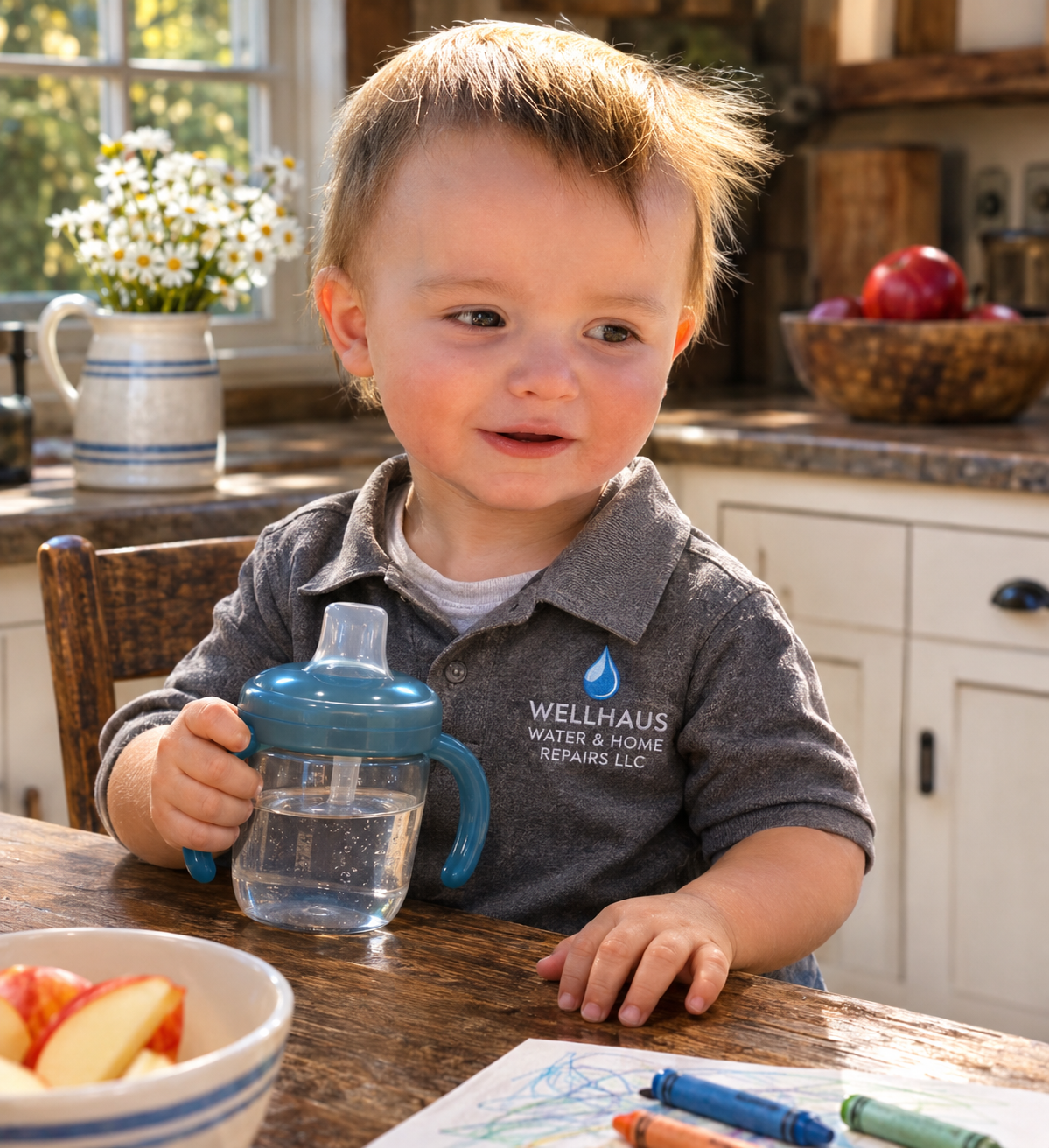
At Wellhaus Water & Home Repairs, we believe understanding your water is the first step toward protecting your home and family.
Whether your water comes from a private well or a public supply, knowing what’s in it helps you make informed decisions. We’re here to help you understand water testing, recognize potential concerns, and explore practical solutions when they’re needed.
What’s Really in Your Well Water?
Your water may look crystal clear, taste refreshing, and have no noticeable odor—but that doesn’t always mean it’s safe to drink.
Private well water can contain naturally occurring minerals, bacteria, nitrates, and other contaminants that aren’t always visible. Some affect the taste, smell, or appearance of your water, while others may present health concerns without any obvious warning signs.
At Wellhaus, we believe the best place to begin is with proper testing. Understanding what’s in your water helps you make informed decisions about your family’s health and whether any treatment is necessary.
Our philosophy is simple: Test first. Understand the results. Treat only what’s needed.
What Should You Test Your Well Water For?
Not all water concerns are visible. Regular testing helps homeowners understand the quality of their private well water and identify potential problems before they become serious.
Important water test to consider:
Total Coliform Bacteria and E. coli: Help identify possible contamination from sewage, animal waste, or other sources.
Nitrates: Particularly important for households with infants and young children.
pH: Indicates how acidic or alkaline your water is and can help identify potential corrosion concerns.
Total Dissolved Solids (TDS): Measures the combined amount of dissolved substances in your water.
Iron and Manganese: Can contribute to staining, discoloration, and unpleasant tastes.
Hardness: Helps determine whether mineral buildup may affect plumbing, fixtures, and appliances.
Arsenic, Lead, and Other Contaminants: May require additional testing depending on local geology, plumbing materials, and nearby activities.
How often should you test?
The CDC recommends testing private well water at least once a year for total coliform bacteria, nitrates, total dissolved solids, and pH. Additional testing may be necessary after flooding, well repairs, changes in water quality, or suspected contamination.
At Wellhaus, we encourage homeowners to use a qualified laboratory and understand their results before investing in water treatment options.
Trusted Resources for Understanding Your Water
At Wellhaus Water & Home Repairs, we believe informed homeowners make the best decisions for their families. Whether you’re learning about private well maintenance, water testing, or potential contaminants, these trusted resources provide reliable information to help you better understand your water.
Environmental Protection Agency (EPA)
The EPA provides valuable information about private drinking water wells, including proper maintenance, recommended testing, potential contaminants, and ways to protect your household’s water supply.
Centers for Disease Control and Prevention (CDC)
The CDC provides guidance on private well water safety, recommended testing, preventing contamination, and protecting your family’s drinking water. Its resources are especially valuable for families with infants and young children.
Penn State Extension — Private Water Systems
Penn State Extension offers research-based guidance for Pennsylvania homeowners who rely on private wells and springs. Its educational resources explain water testing, common water quality concerns, well maintenance, and how to make informed decisions about water treatment.
Learn More About Private Water Systems — Penn State Extension